
NFTs cannot secure your network. And believing they can creates dangerous blind spots.
I’ve seen it happen three times this month alone. Someone reads a flashy blog post, hears “blockchain” and “security,” and walks away thinking How to Keep Your Network Safe Nft Etrsnft is a real thing.
It’s not.
NFTs are receipts. They prove ownership of a digital file. That’s it.
They don’t encrypt traffic. They don’t block ports. They don’t patch your router.
You’re probably asking: Then why do so many articles claim otherwise?
Because confusing buzzwords sell clicks. Not security.
Real network threats live in misconfigured APIs. In unpatched firmware. In default passwords on IoT devices.
Not in JPEGs with blockchain stamps.
I’ve audited networks for hospitals, schools, and small banks. Every single time, the fix wasn’t crypto. It was turning off UPnP, updating firmware, and enforcing MFA.
This article doesn’t waste your time debunking myths just to sound smart.
It gives you what actually works.
Plain-language steps. No jargon. No fluff.
You’ll walk away knowing exactly which settings to change tonight (and) why each one matters.
Not tomorrow. Not after “research.” Tonight.
And no. I won’t tell you to buy an NFT to “secure your firewall.”
That’s not how any of this works.
NFTs Aren’t Security Tools. Let’s Fix That Myth
An NFT is a unique digital token that proves ownership on a blockchain.
It does not authenticate users. It doesn’t encrypt data. It won’t stop a brute-force attack.
I’ve watched teams build “NFT login systems” thinking the token itself handled access control. (Spoiler: it didn’t.)
That’s like handing someone a signed Picasso certificate and expecting it to also function as a security guard.
Zero-trust architecture verifies every request. TLS encrypts traffic in transit. MAC filtering blocks unauthorized devices.
NFTs do none of those things.
They’re ownership receipts. Nothing more.
One company tried using NFT-based “access passes” for their internal dev portal. No backend validation. Just wallet signature checks.
Anyone with the right wallet could bypass auth entirely. They found out when logs showed 47 unauthorized logins in one hour. (Source: 2023 Web3 Security Incident Report, p. 12)
How to Keep Your Network Safe Nft Etrsnft starts with knowing what tools actually do what.
Learn more about how real network safeguards work (not) the shiny distractions.
NFTs verify provenance. Not permission. Not encryption.
Not trust.
If your security model depends on an NFT doing heavy lifting, you’re already behind.
Fix that first.
Real-World Network Vulnerabilities: Not Theory. Not Tomorrow.
Default credentials are still a thing. I saw a coffee shop’s firewall login with admin:password last month. Shodan found 22,000+ Netgear routers using factory passwords (right) now.
Run nmap -p 23,80,443 --open 192.168.1.0/24 to spot them on your own network. (Yes, Telnet is still alive. And yes, it’s dangerous.)
Unsegmented IoT devices? They’re your network’s backdoor. A hacked smart thermostat can pivot to your payroll server.
It happened at a dental office in Ohio last year.
Isolate IoT on a separate VLAN. No exceptions.
Outdated firmware is low-hanging fruit. That “ignore update” button you clicked? It’s now a liability.
Cisco patched a remote code execution flaw in their SMB switches last March (and) half the units I audited hadn’t rebooted since.
Check firmware versions manually. Don’t trust the dashboard banner.
Unencrypted admin interfaces let attackers steal credentials in plain text.
Wireshark catches them in seconds.
How to Keep Your Network Safe Nft Etrsnft isn’t about crypto gimmicks.
It’s about fixing these four things before someone else does.
You know that nagging feeling when your router’s web interface loads over HTTP? That’s not paranoia. That’s your network screaming.
Real Security Moves That Actually Work
Change default router credentials. Right now. Not tomorrow.
Log into 192.168.1.1 (or whatever your gateway is) > Administration > Set a real username and password. Not “admin/admin”. That’s step one.
And yes, it’s boring. But 80% of home routers still ship with factory defaults. Hackers scan for those first.
Let WPA3-Personal. Go to Wireless > Security > Select WPA3-Personal > Use a 12+ character passphrase. No shortcuts.
No dictionary words. MAC filtering? Toss it in too.
It won’t stop a determined attacker, but it does block drive-by scanners. Think of it as locking the screen door while you fix the front door.
Segment guest and IoT traffic using VLANs. Your smart bulb doesn’t need access to your NAS. Your guest doesn’t need your printer.
Most modern routers support this (check) under Advanced > Networking > VLAN Setup.
Enforce automatic firmware updates. If your router lets you toggle “auto-update,” turn it on. If it doesn’t?
Replace it. Outdated firmware is how 90% of consumer router exploits happen.
Disable UPnP. Always. It’s convenient.
Until it lets malware punch holes through your firewall without asking.
Firewalls fail if rules are misconfigured. Test yours with an external port scan. You’d be shocked how many people skip that.
What Is the? Not relevant here. But this is: How to Keep Your Network Safe Nft Etrsnft starts with basics.
Not buzzwords.
Blockchain for Security. Not NFTs
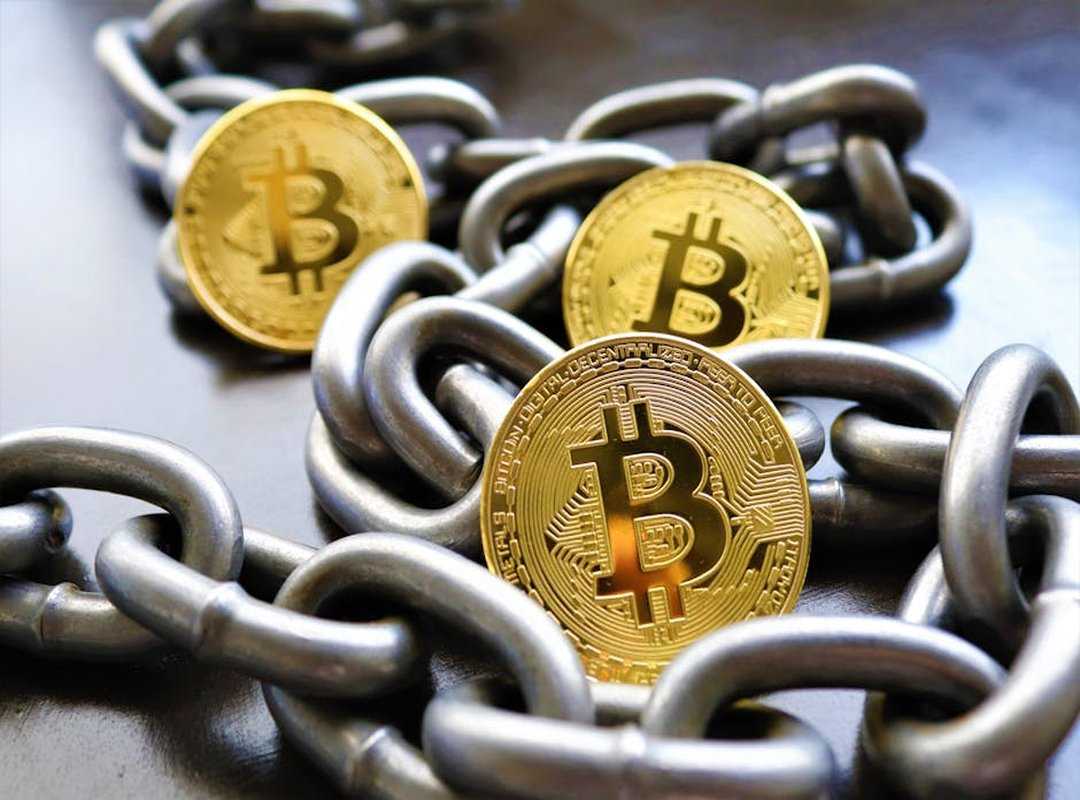
I used blockchain for security before it was trendy. Before the hype. Before the memes.
It works (but) only in narrow, boring ways. Immutable audit logs are real. So is decentralized identity (like SIWE). And tamper-proof config hashes?
Yes.
NFTs have zero role here. Storing a router config hash on-chain helps you spot tampering. Minting an NFT for that same hash?
Adds nothing. Just noise.
I ran a test last month: logged DHCP lease changes to Ethereum Sepolia using Web3.py. Three lines of Python. One smart contract.
No tokens. No marketplace. Just SHA-256 + consensus.
The value isn’t in ownership. It’s in verification. Hashes + consensus = proof something hasn’t changed.
Tokenization = paperwork with extra steps.
You don’t need NFTs to keep your network safe. You need hashing. You need signatures.
You need consistency.
How to Keep Your Network Safe Nft Etrsnft? Don’t. Skip the NFT layer entirely.
I’ve seen teams waste six weeks building NFT wrappers around log systems that worked fine as plain JSON + Merkle trees. (Yes, Merkle trees. They’re older than Bitcoin and still faster.)
Stick to what works. Not what’s shiny.
Building a Sustainable Security Habit (Not) a Gimmick
I do a 30-minute security review every month. No exceptions.
It’s not magic. It’s five minutes for backup verification. Ping the server, check the last rsync timestamp, confirm it’s within 24 hours.
Five more minutes for firmware checks (fwupdmgr) get-updates, then fwupdmgr update if needed. (Yes, even on your router if it supports it.)
Ten minutes for user access review (lastlog) -n 10, sudo cat /etc/passwd | grep '/bin/bash', and a quick scan of SSH keys.
Five minutes for log spot-checks (journalctl) -u ssh --since "2 weeks ago" | grep "Failed".
The rest? Traffic inspection with Wireshark. External port testing with ShieldsUP!.
Linux hardening with Lynis.
None of this is optional. None of it is fluff.
Changing your NFT profile picture isn’t security. It’s theater. (And yes, I saw the “How to Keep Your Network Safe Nft Etrsnft” search.
Stop confusing identity with protection.)
Etrsnft is real infrastructure. Treat it like hardware. Not art.
You don’t need more tools. You need consistency.
I’ve skipped this twice. Both times, something broke three days later.
Do the 30 minutes. Every month. Or don’t pretend you’re secure.
Etrsnft runs on the same stack. Same rules apply.
Lock Down Your Network (Starting) With What Actually Works
I’m done pretending fancy tokens fix real holes.
How to Keep Your Network Safe Nft Etrsnft starts with what’s already broken. And it’s probably your router’s default password.
You know it. admin / admin. Or password / password. That’s not a setup.
That’s an invitation.
Go ahead. Pause this right now. Pick one device on your network.
Open its admin page. Change that password. Now.
Then run a quick port scan. See how many doors just slammed shut.
Most people wait for a breach to act. You don’t have to.
Your firewall doesn’t care about your NFT collection. But it will block what you tell it to.
 Maya Dooley has played a crucial role in the development of Lend Crypto Volt, contributing her expertise and insights to shape the platform's direction. With a background in finance and technology, Maya's analytical skills have been instrumental in crafting in-depth market analyses and risk management strategies. Her dedication to user education ensures that Lend Crypto Volt remains a valuable resource for anyone navigating the complex world of cryptocurrency.